Buying an apartment in Bengaluru? Learn how energy efficiency, natural ventilation, EV charging readiness, water planning and common-area systems can influence long-term comfort and ownership costs.
When people compare apartments in Bengaluru, the conversation usually begins with familiar questions.
How many bedrooms?
How large is the apartment?
How far is it from work?
What amenities are available?
What is the price per square foot?
All of these matter. But a home is likely to be used for many years, and some of the most important aspects of a residential project are not immediately visible during a sales presentation.
A genuinely future-ready home should also respond to changing energy use, electric mobility, Bengaluru's climate, water requirements and the rising expectations of families who spend more time living and working at home.
For today's homebuyer, it therefore makes sense to look beyond the floor plan and ask a broader question:
How well will this home continue to function five, ten or fifteen years from now?
Here are some of the factors worth evaluating.
1. Natural Light and Ventilation Are More Than Lifestyle Features
Large windows and well-ventilated rooms are often presented as aesthetic advantages.
They can also influence how comfortable and energy-efficient a home feels throughout the year.
The Bureau of Energy Efficiency's residential building framework, Eco Niwas Samhita, specifically addresses issues such as heat gain, natural ventilation and daylighting potential in residential buildings. Bureau of Energy Efficiency
Learn about Eco Niwas Samhita from the Bureau of Energy Efficiency
For a buyer, this translates into practical questions.
Do the major rooms receive adequate daylight?
Can air move through the apartment naturally?
Are windows positioned only for appearance, or do they contribute to usable ventilation?
Do balconies and openings help shade interiors from excessive heat?
A well-planned apartment can feel comfortable without depending on artificial lighting and cooling throughout the day.
This becomes particularly relevant in Bengaluru, where changing urban density increasingly affects airflow, shading and heat around residential developments.
2. Look at the Building Envelope, Not Just Interior Finishes
Buyers often spend more time asking about tiles, sanitary fittings and kitchen finishes than the elements that influence the thermal performance of the entire home.
The building envelope includes elements such as:
- External walls
- Windows
- Glazing
- Roof surfaces
- Balconies
- Shading
- Openings
These elements influence how much heat enters the home and how effectively indoor spaces can remain comfortable.
The Bureau of Energy Efficiency also publishes guidance and design resources specifically for energy-efficient residential buildings. Bureau of Energy Efficiency
Explore BEE resources for energy-efficient residential buildings
You do not need to become an architect before purchasing an apartment.
But you can ask the sales or project team simple questions:
What materials are used for external walls?
What type of windows are specified?
How is natural daylight considered in the layout?
What provisions exist for heat control and ventilation?
These questions reveal considerably more about long-term comfort than simply knowing the brand of flooring.
3. EV Charging Is Becoming a Residential Planning Question
A few years ago, EV charging was an optional convenience.
For many homebuyers today, it is becoming a long-term infrastructure consideration.
The Government of India's Guidelines for Installation and Operation of Electric Vehicle Charging Infrastructure 2024 specifically apply to charging infrastructure in private parking areas and group housing societies. Power Ministry of India
Read the Ministry of Power's EV Charging Infrastructure Guidelines
This does not mean every buyer needs an electric vehicle today.
It means buyers should think about whether the residential community is capable of adapting if EV ownership increases significantly over the coming decade.
Useful questions include:
Does the project have provision for future EV charging?
How would charging points be allocated?
Is separate metering possible?
Can the electrical infrastructure support additional charging loads?
Who would manage installation and safety?
The Ministry of Power guidelines also recognise residential charging through existing or separately metered connections. Power Ministry of India
A home purchased today may need to support mobility habits that look very different ten years from now.
4. Understand How Water Will Be Managed
Water availability is one of the most important long-term considerations in any large residential community.
Instead of simply asking:
"Is water available?"
ask:
"How is water planned?"
A buyer should understand:
- Primary water source
- Storage capacity
- Overhead and underground tanks
- Backup arrangements
- Wastewater treatment
- Reuse of treated water
- Rainwater harvesting
- Landscape irrigation requirements
- Long-term maintenance responsibility
Water planning becomes especially important as communities grow.
A project may look excellent during construction, but the real test begins when hundreds of families start using water every day.
This is also why buyers should evaluate landscaped areas intelligently. Green spaces provide significant lifestyle benefits, but they should be supported by responsible water-management planning.
5. Common-Area Energy Use Eventually Becomes a Maintenance Cost
The apartment itself is only one part of the energy consumed by a residential community.
Common facilities also require electricity.
Consider:
- Lifts
- Water pumps
- Basement lighting
- Security systems
- Clubhouse equipment
- Swimming-pool systems
- Outdoor lighting
- Ventilation
- Common-area cooling
- Backup generators
Homebuyers sometimes treat these as builder-level engineering details.
After possession, however, much of this becomes part of the residents' maintenance expenditure.
This is why efficient common-area planning can influence the long-term cost of living in a community.
The question is not simply:
"How many amenities are there?"
It is also:
"How efficiently will the community operate once all these amenities are being used?"
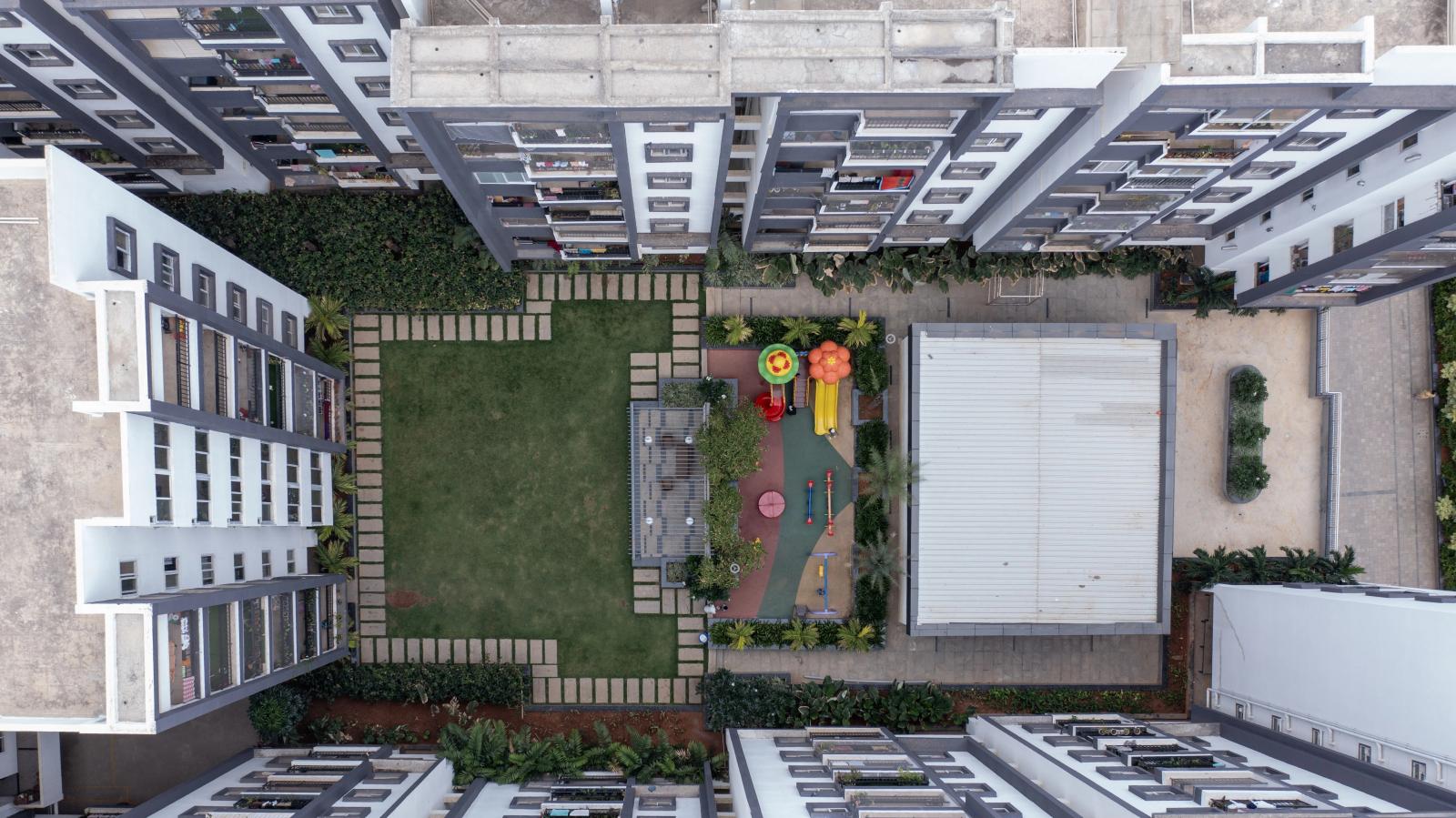
6. Open Space Should Have a Purpose
The amount of open space within a residential project receives considerable attention.
But percentage alone does not tell the whole story.
A better evaluation looks at how that space is used.
Is it landscaped?
Is it walkable?
Does it provide shade?
Are there areas for children?
Are there spaces appropriate for senior citizens?
Can working professionals use outdoor areas?
Is there biodiversity rather than purely ornamental landscaping?
Does pedestrian movement feel separated from constant vehicle movement?
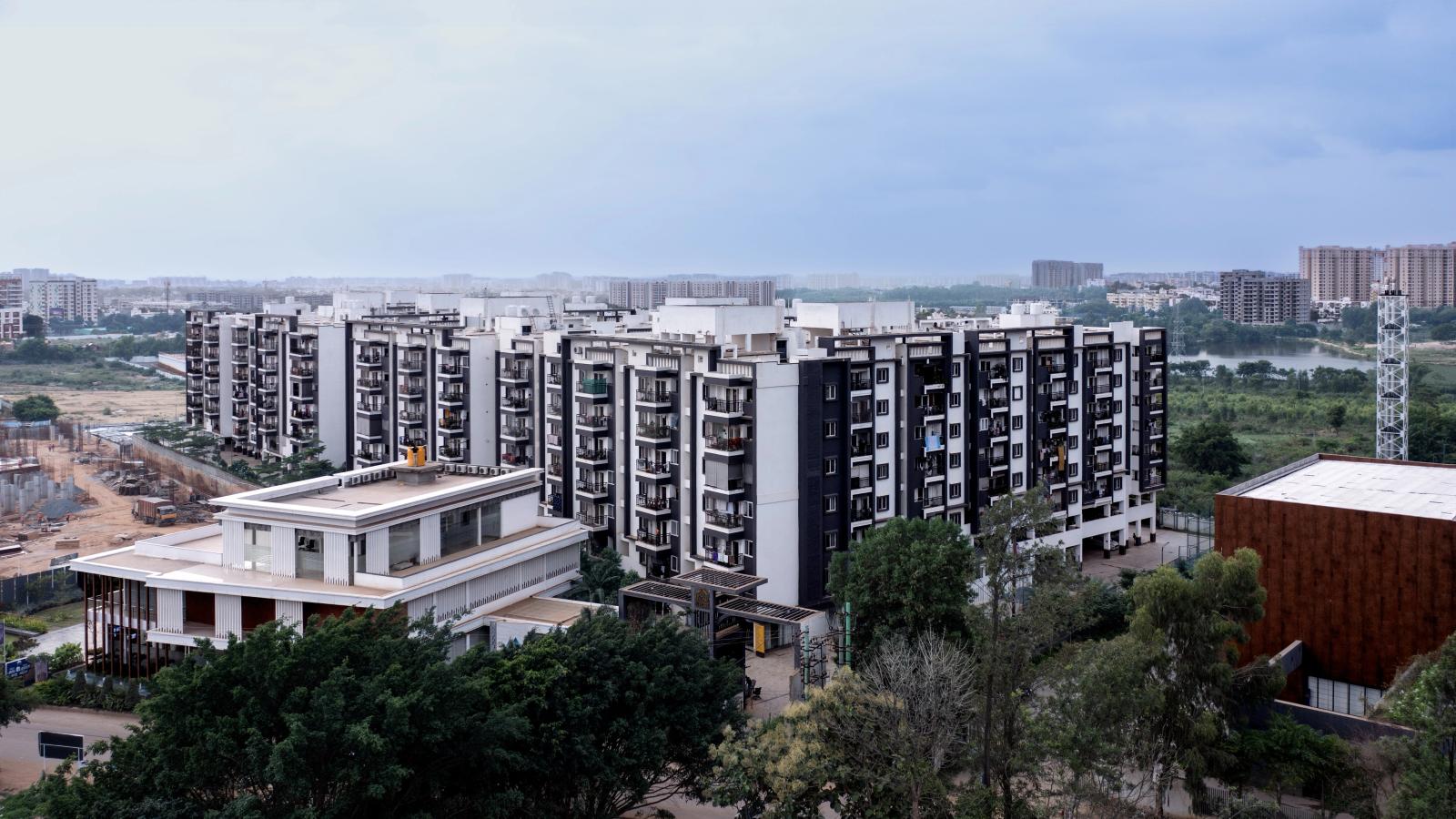
For example, Mythri Sity's current project information highlights 75% open space and includes multiple landscape, wellness and recreation zones. Mythri Builders
The broader lesson for any homebuyer is that open space should contribute to everyday life rather than existing only as a number in marketing material.
7. Think About Different Generations Using the Same Community
Future-ready residential planning should consider more than today's buyer.
A community may need to support:
- Small children
- Teenagers
- Working professionals
- Remote workers
- Parents
- Senior citizens
- Pet owners
- People recovering from illness
- Residents with reduced mobility
This changes how amenities should be evaluated.
A large clubhouse may look impressive, but everyday spaces such as walking paths, shaded seating, children's areas, quiet gardens, exercise spaces and convenient access routes may ultimately be used more frequently.
A buyer should therefore ask:
Will the project work equally well for my family five or ten years from now?
That is a much stronger question than simply counting amenities.
8. Check How the Project Handles Power Interruptions
Backup power is another aspect buyers often notice only after moving in.
Ask what receives backup power:
Only lifts and common areas?
Essential lighting?
Water pumps?
Individual apartments?
How much backup is allocated to each home?
What happens during an extended outage?
These details can be especially important for households where people work remotely.
Project specifications should clearly state the extent of backup rather than leaving buyers to assume that "power backup" means the entire apartment operates normally during an outage.
9. Understand the Difference Between Sustainability Claims and Practical Systems
Words such as green, eco-friendly, sustainable and nature-inspired are increasingly common in real-estate marketing.
Buyers should translate those words into specific questions.
What exactly makes the project sustainable?
Is it energy planning?
Natural ventilation?
Open space?
Water conservation?
Wastewater reuse?
Landscape biodiversity?
Efficient lighting?
Lower heat gain?
EV readiness?
A sustainability claim becomes much more useful when the buyer can identify the systems behind it.
Government resources such as the Bureau of Energy Efficiency's residential-building programmes provide a useful independent reference point for understanding what energy-efficient residential planning actually involves. Bureau of Energy Efficiency
10. Use Official Sources When Researching a Property
Homebuyers increasingly research projects through social media, portals and property advertisements.
These are useful discovery tools.
They should not be the only source of information.
Official platforms can help buyers better understand:
- Project registration
- Building permissions
- Property services
- Energy-efficiency standards
- EV charging regulations
The Greater Bengaluru Authority currently provides access to services including building permission, property services, GIS-related resources and other civic information. Government of Karnataka
Explore Greater Bengaluru Authority services
Buyers evaluating a particular development should also independently verify project information through the Karnataka RERA portal.
Independent verification is one of the simplest ways to move from property browsing to informed decision-making.
The Best Homes Are Designed for Life After Possession
It is easy to compare apartment projects through brochures.
The more meaningful comparison begins when you think about life after possession.
How comfortable will the home feel?
How efficiently will it operate?
Will the community support changing mobility needs?
How will water and power be managed?
Will the amenities still be useful after the novelty wears off?
Can the project adapt to how your family changes?
These questions may not always appear on the first page of a brochure.
But they can have a major influence on everyday living for years.
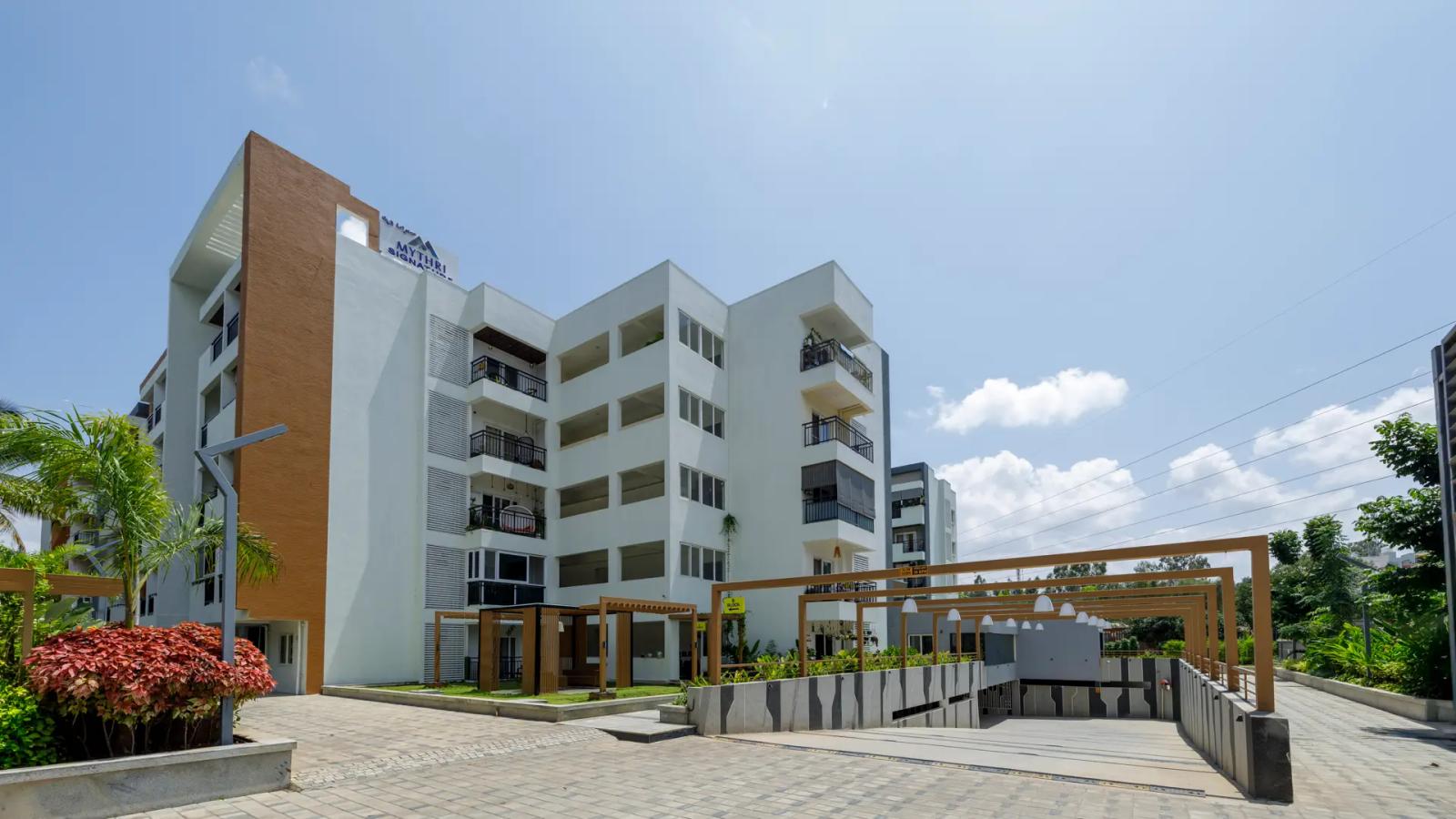
At Mythri Builders, thoughtful planning is centred around how residents will actually use their homes and communities—from natural light, ventilation and functional layouts to open spaces and amenities designed around everyday living.
When evaluating any residential project in Bengaluru, the most important question may therefore be:
Will this home still work well for my life ten years from now?
Looking for a home planned around everyday living?
Explore Mythri Sity, Mythri Street, Mythri Sikharam and Mythri Sankalp, or speak with a Mythri project advisor to understand layouts, specifications, amenities and current project information.
Explore Projects | Request Floor Plans | Book a Site Visit
Explore Mythri Street
Discover more about this residential community and how it aligns with the insights from this article.
View Project Details