Assess daylight through window placement, room depth, shading and nearby obstructions instead of choosing an apartment by facing alone.
An east-facing or north-facing label does not tell you how bright every room will feel. Daylight enters through particular openings and interacts with the shape of the room, surrounding buildings and shading. Buyers need to examine those details together.
Natural light can make everyday tasks more comfortable, but brightness is not the only objective. Glare, afternoon heat and privacy also influence how residents use windows and curtains. The best choice depends on the room and the household's routine.
Identify the actual openings
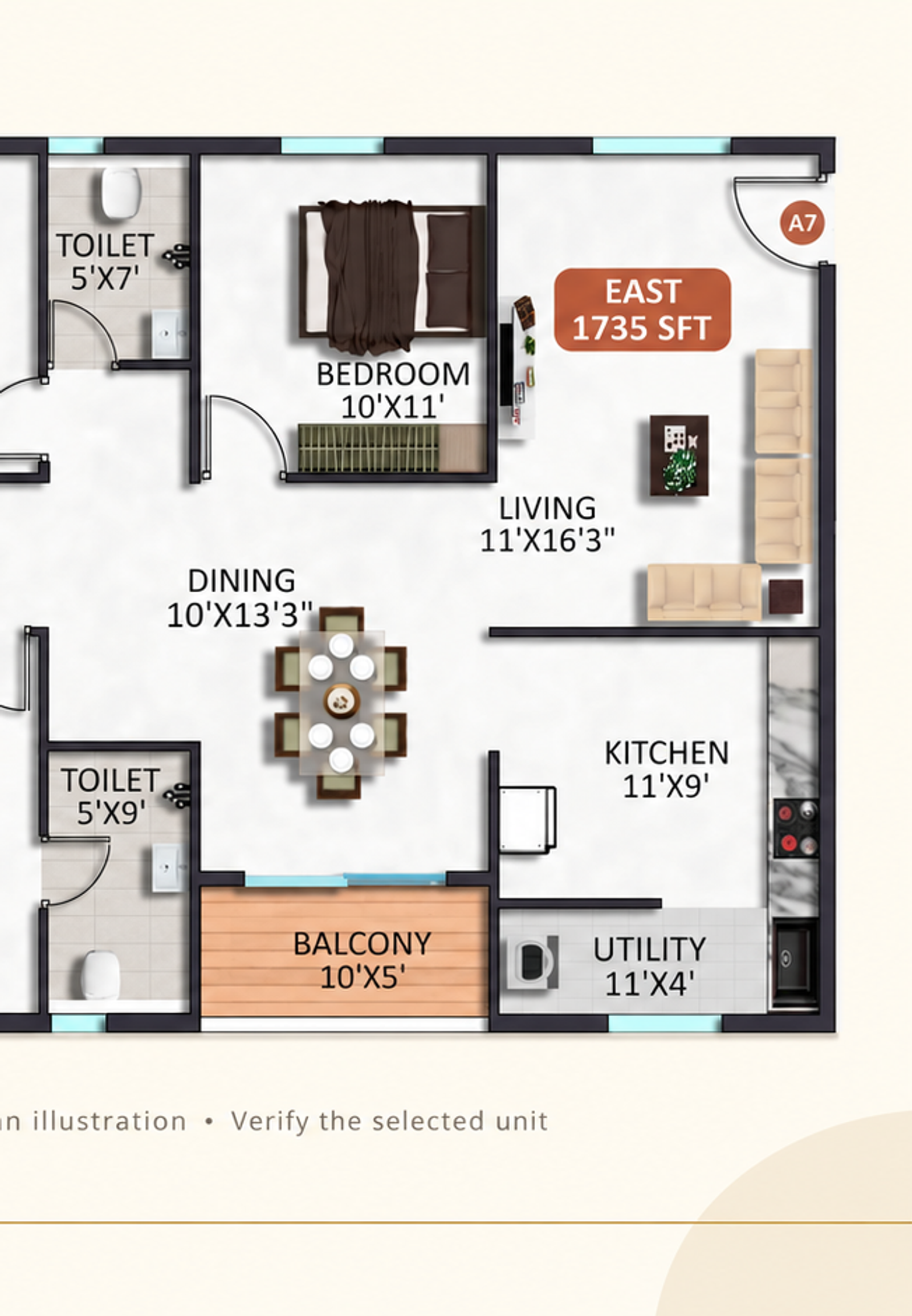
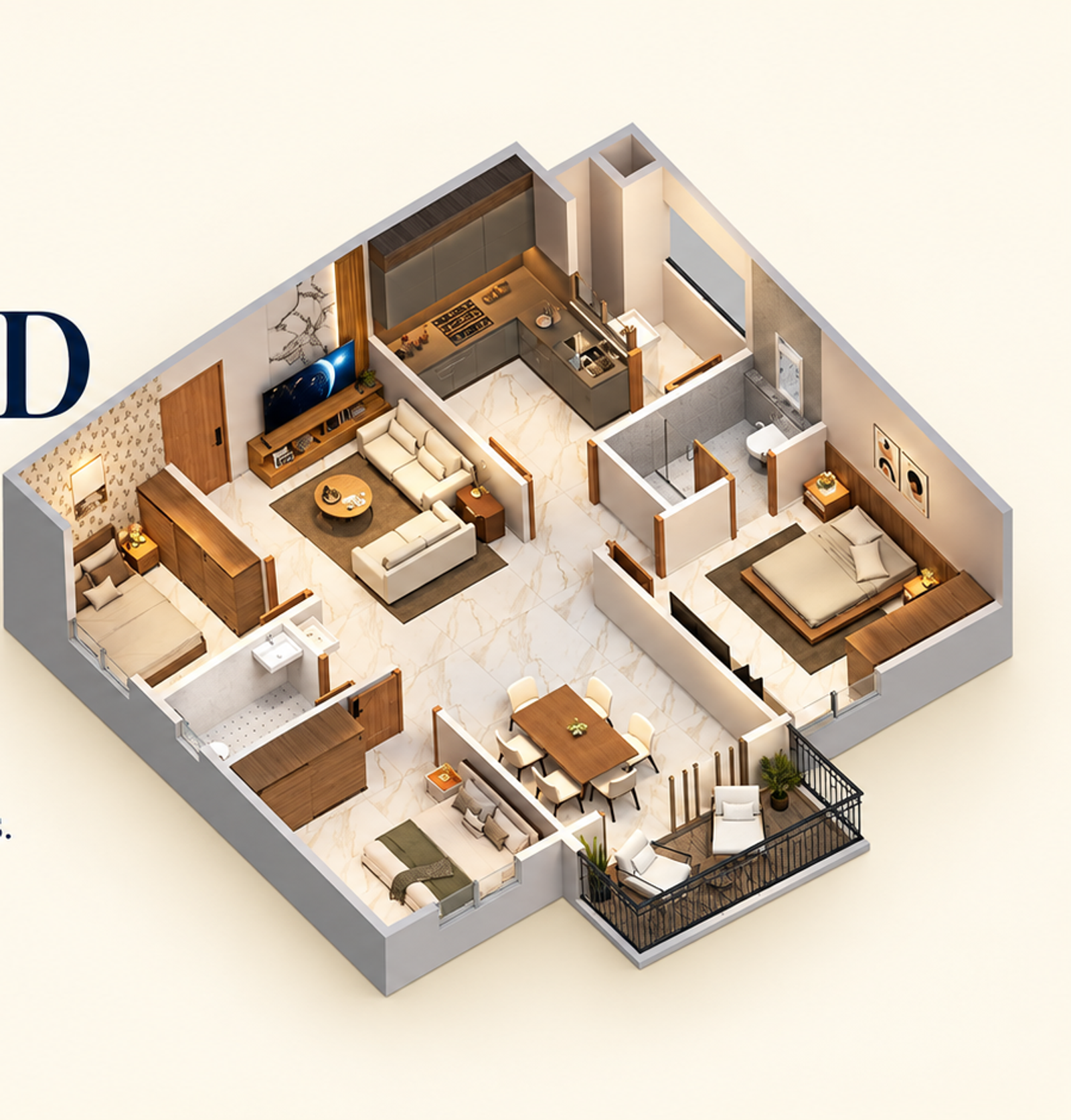
On the plan, locate windows and balcony doors for each habitable room. Ask which openings face outdoors and which face a shaft or nearby structure. Confirm dimensions using the approved or agreed drawings rather than estimating from a stylised image.
Then examine room depth. A bright area next to a window may coexist with a darker zone further inside. Think about where you will read, work, cook or help children with homework, not only where the photographer stood.
Look outside the window
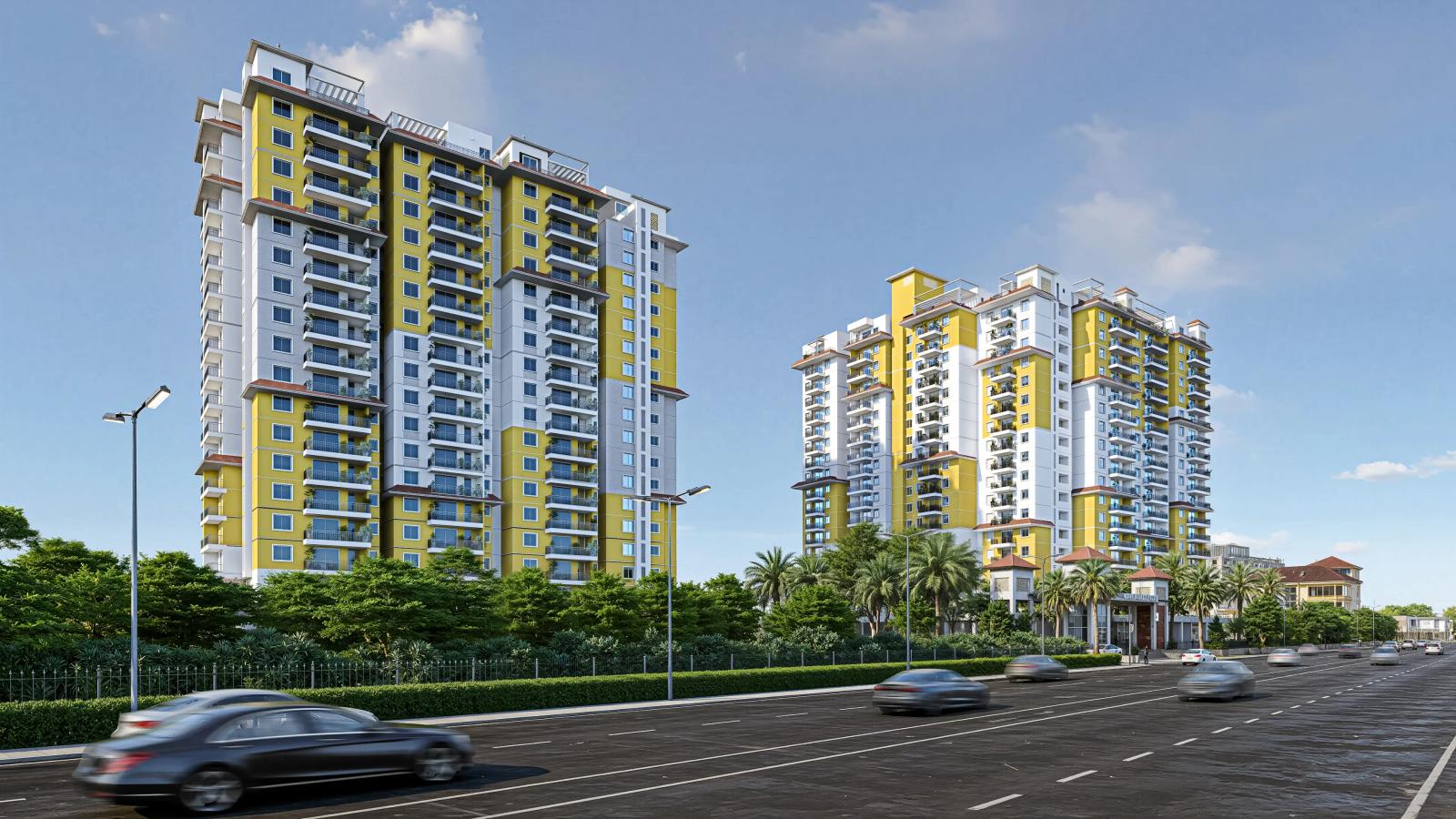
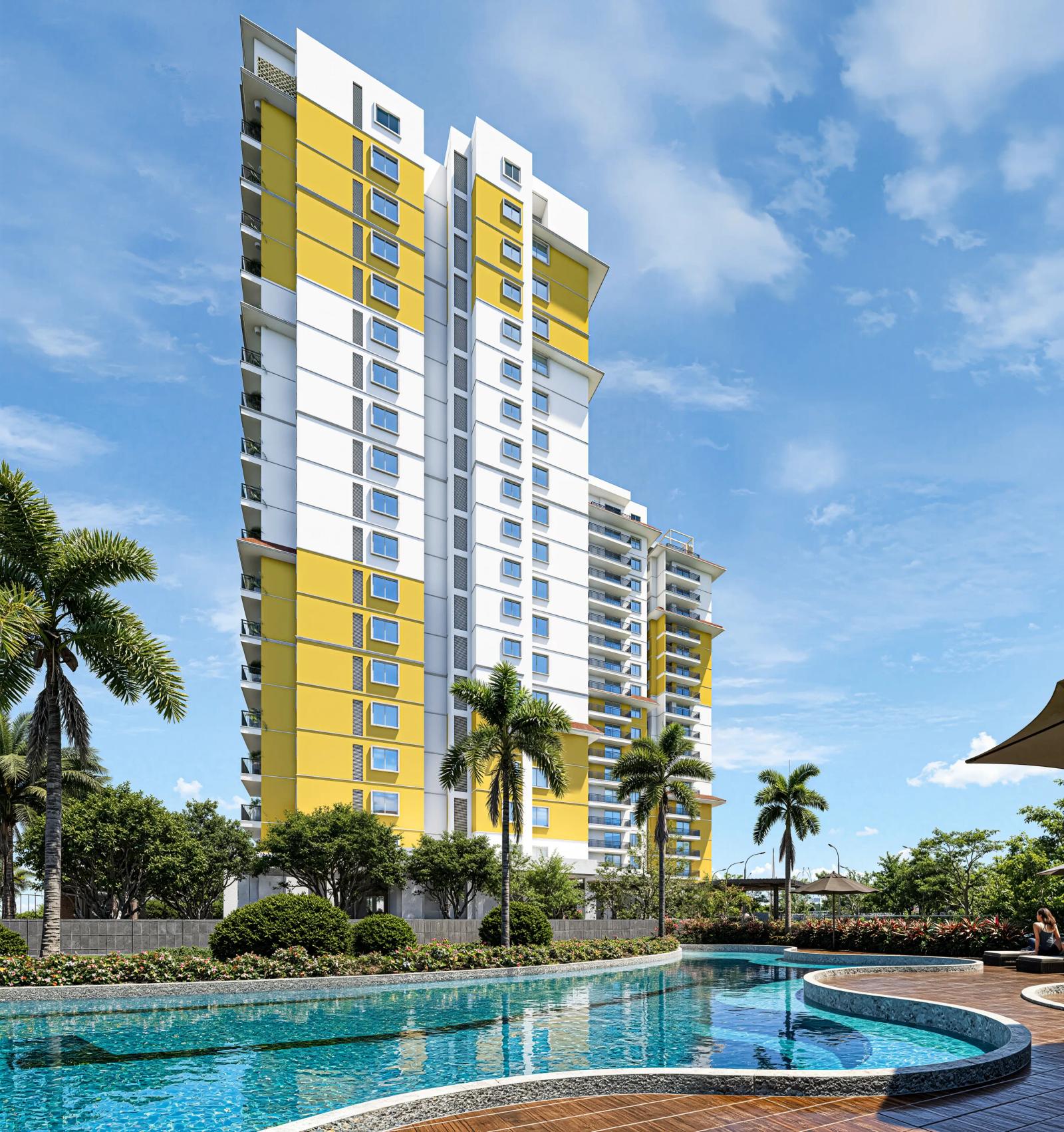
Nearby buildings, projecting balconies and landscape elements can alter daylight. Ask what is proposed within the development and what is known about adjacent land. A view from a currently open plot should not be assumed to remain unchanged.
For an under-construction apartment, photographs from another floor or block are useful references but cannot establish the exact daylight experience in your unit. Request a clear explanation of the differences.
Visit at a useful time
If access is available, inspect at more than one time of day. Note whether lights are switched on and whether blinds or curtains are open. A cloudy-day observation is still useful, provided you record the conditions.
Avoid treating phone photographs as precise measurements. Automatic exposure can make a dim room appear bright or hide glare. Specialist analysis can be worthwhile where daylight is a deciding factor.
Balance brightness with comfort
The Bureau of Energy Efficiency's residential building guidance discusses daylighting, ventilation and the building envelope as related design considerations. It is educational guidance, not evidence that a particular project holds a certification.
For a home at Mythri Sity, ask the team to explain the openings, shading and surroundings of the exact unit you are considering. A decision based on those features is more dependable than choosing by a facing label alone.
Related guide: Cross Ventilation What Apartment Buyers Can Check on a Plan.
Explore Mythri Sity
Discover more about this residential community and how it aligns with the insights from this article.
View Project Details